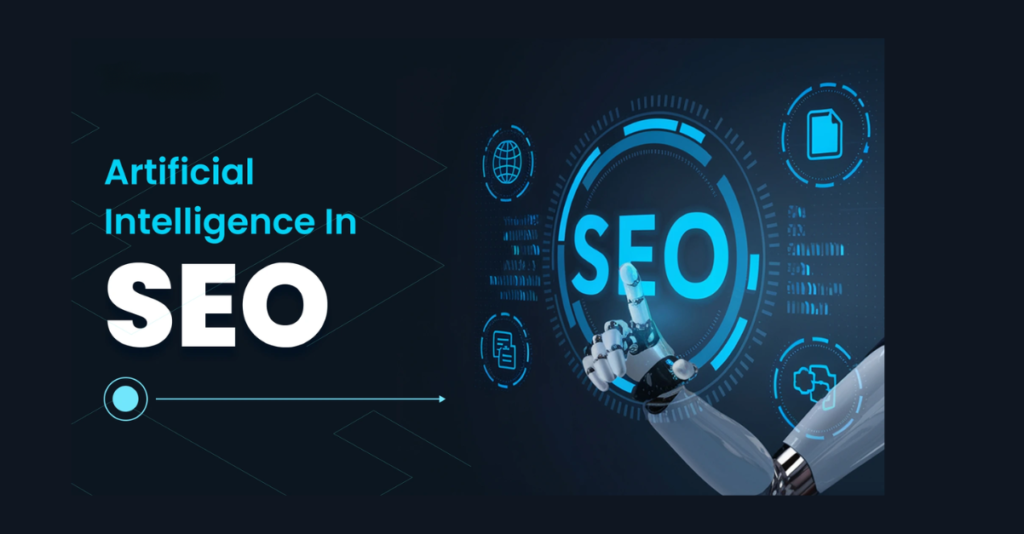
In the rapidly evolving digital landscape of 2025, the advent of Large Language Models (LLMs) like ChatGPT and Google’s Gemini has transformed how users access information. These AI-driven tools provide instant, conversational answers, reshaping traditional search engine optimization (SEO) strategies. Despite this shift, one foundational SEO practice remains crucial: link building.
Understanding the Role of Link Building
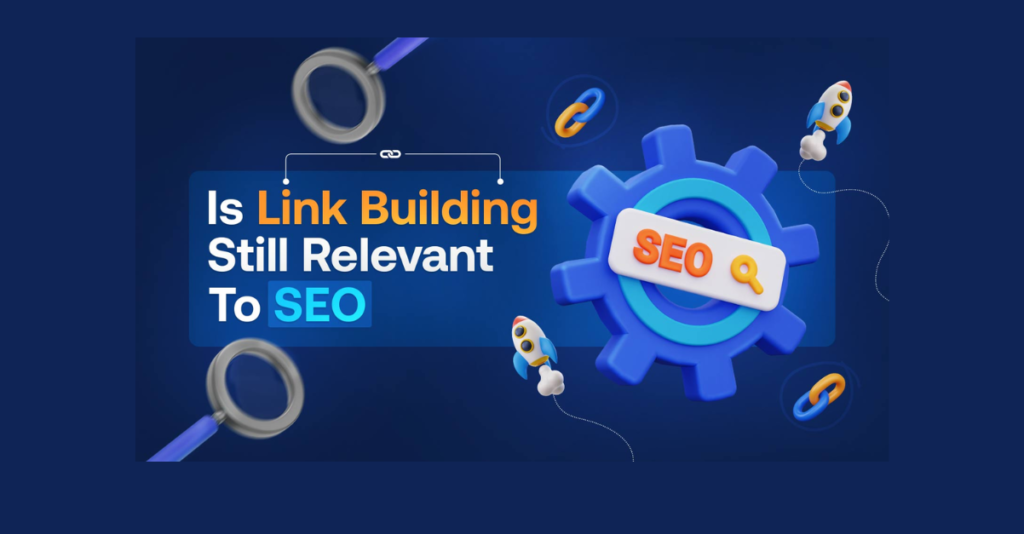
Link building involves acquiring hyperlinks from other websites to your own. Historically, search engines like Google have used these backlinks as indicators of a website’s authority and relevance. Pages with numerous high-quality backlinks often rank higher in search results, as these links serve as endorsements from other content creators.
The Impact of LLMs on SEO
LLMs have introduced a new dimension to information retrieval. Instead of presenting users with a list of links, AI tools generate direct answers, summaries, or overviews. This shift means that traditional click-through traffic from search engine results pages (SERPs) is no longer the sole metric of success.
However, the underlying mechanisms of LLMs still rely on data sourced from the web. These models are trained on vast amounts of text data, much of which is influenced by the structure and authority indicated by backlinks. Therefore, the presence of quality backlinks can enhance the likelihood of content being included in AI-generated responses.
Why Link Building Remains Essential
Authority and Trust Signals
Backlinks continue to serve as trust signals. When reputable sites link to your content, it signals to both search engines and AI models that your content is credible and valuable. This trust can increase the chances of your content being featured in AI-generated summaries.
Content Discovery
Acquiring backlinks from diverse sources can lead to increased visibility. Even if users don’t click through directly, the mere presence of your content on authoritative platforms can influence AI tools to consider and cite your work.
Brand Mentions and Visibility
Modern SEO emphasizes brand visibility. Mentions of your brand across the web, even without direct links, can enhance your online presence. AI models often prioritize content from well-known brands, making brand mentions a valuable asset in the AI era.
Referral Traffic
While AI tools may reduce direct clicks from search results, backlinks from popular websites can still drive significant referral traffic. This traffic remains a vital source of visitors and potential customers.
Adapting Link Building Strategies for the AI Era
To remain effective, link building strategies must evolve:
- Focus on Quality Over Quantity: Prioritize acquiring backlinks from authoritative and relevant sites rather than aiming for a high volume of links.
- Leverage Digital PR: Engage in public relations efforts to get featured in news outlets, blogs, and industry publications. Such features can lead to both backlinks and brand mentions.
- Create Link-Worthy Content: Develop content that is informative, engaging, and shareable. High-quality content naturally attracts backlinks and is more likely to be cited by AI models.
- Monitor AI Mentions: Use tools to track when and where your content is mentioned in AI-generated responses. This can provide insights into the effectiveness of your link building efforts.
Conclusion
While the rise of LLMs has transformed the SEO landscape, link building remains a cornerstone of digital marketing strategies. By adapting link building practices to focus on quality, brand visibility, and content relevance, businesses can ensure their content continues to be recognized and cited in both traditional search results and AI-generated summaries. In this new era, a strategic approach to link building can enhance online presence, drive traffic, and build lasting authority.