
In the modern digital landscape, attracting website visitors is only half the battle. While traditional Search Engine Optimization (SEO) has helped businesses rank higher in search results, it often overlooks a critical factor: the user’s experience after they land on the site. This is where Search Experience Optimization (SXO) comes into play. SXO is a progressive approach that blends SEO with user experience (UX) principles, ensuring that websites not only rank well but also provide meaningful, engaging, and satisfying experiences for visitors.
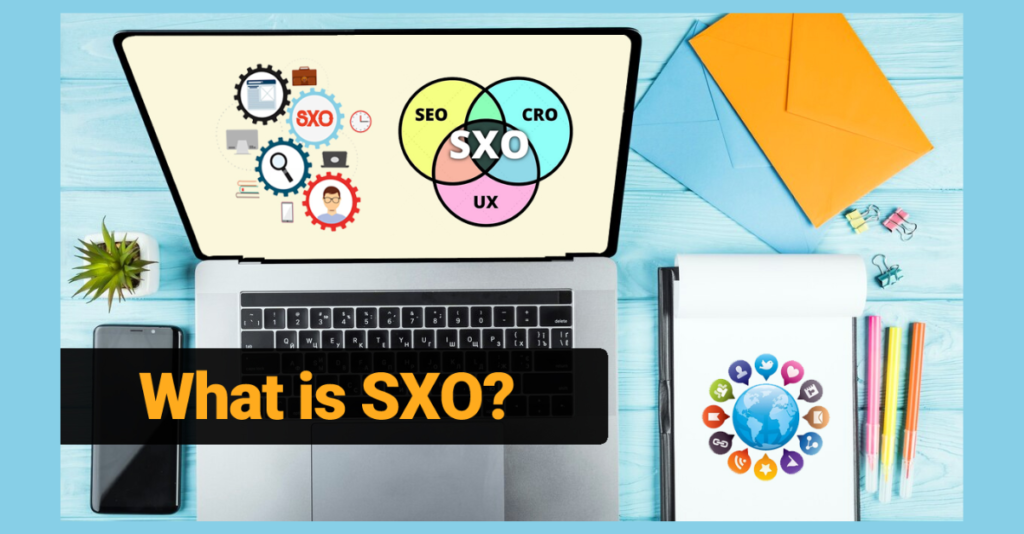
What is Search Experience Optimization (SXO)?
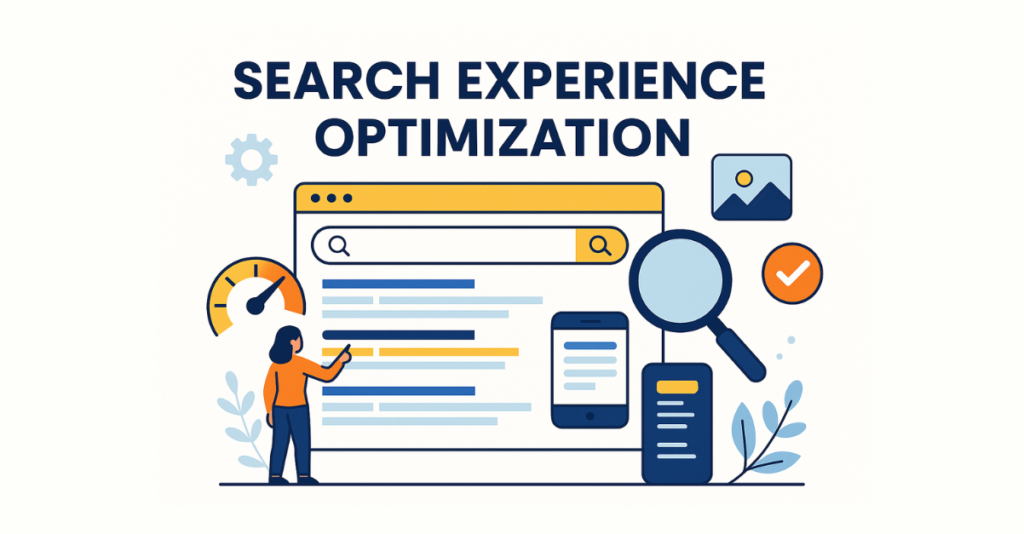
Search Experience Optimization, commonly known as SXO, is an evolved form of SEO. While SEO focuses primarily on improving a website’s ranking in search engine results, SXO goes a step further by optimizing the entire journey of a user, from discovering a website in search results to interacting with its content.
In simpler terms, SXO is about making the search experience better. It ensures that when users find your website, they can navigate it easily, access the information they need, and have a positive experience that encourages them to take action whether it’s subscribing, making a purchase, or simply staying longer on your site.
Key Components of SXO
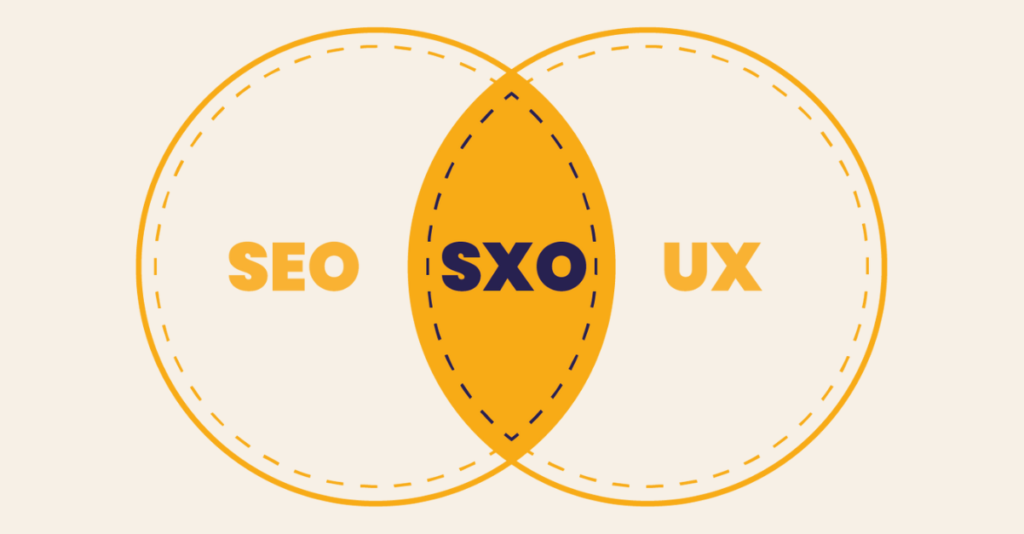
A successful SXO strategy combines several key elements:
- SEO Fundamentals
SXO still relies on core SEO practices, such as keyword research, meta tags optimization, and technical SEO. These practices ensure that your website remains discoverable and ranks well in search engine results. Without strong SEO, even the best user experience cannot bring organic traffic. - User Experience (UX) Design
The heart of SXO is user experience. This includes fast-loading pages, mobile-friendly design, intuitive navigation, and clear layouts. A website that is difficult to navigate or slow to load will drive users away, regardless of how well it ranks in search results. - High-Quality Content
Content is no longer just about keywords. SXO emphasizes creating content that matches user intent and provides value. High-quality, informative, and engaging content helps users find answers to their queries quickly and keeps them engaged. - Engagement Metrics
Monitoring how users interact with your website is crucial. Metrics like bounce rate, time on page, scroll depth, and conversion rate give insights into how well your website meets user expectations. These insights can guide ongoing improvements to optimize the user experience.
Benefits of Implementing SXO
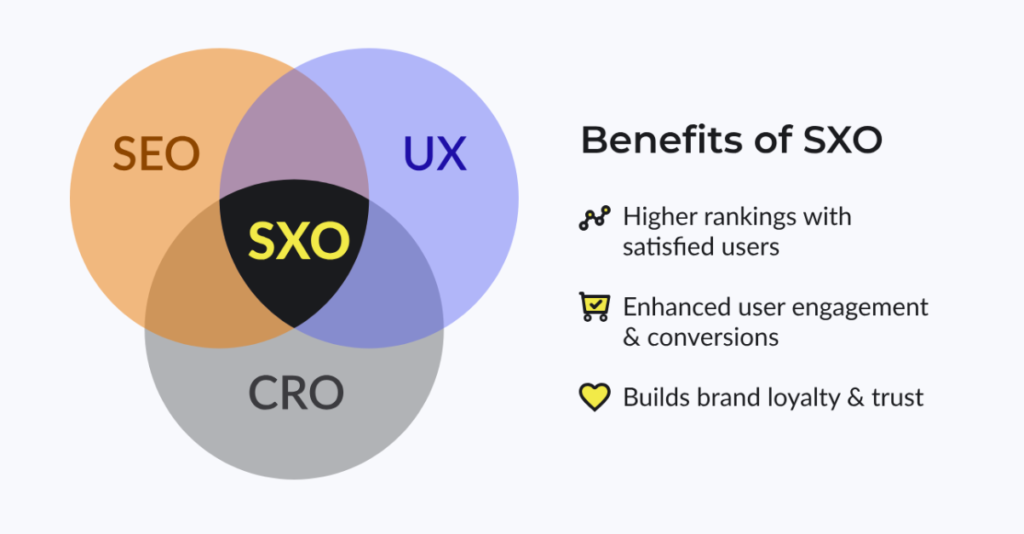
Implementing SXO offers multiple advantages for businesses seeking to improve their online presence:
- Increased Visibility and Click-Through Rates
Websites optimized for both search engines and user experience often rank higher and attract more clicks. By providing a seamless search experience, SXO ensures that potential visitors are more likely to choose your website over others. - Enhanced User Satisfaction
A website that is easy to navigate, visually appealing, and fast-loading creates a positive impression. Users are more likely to stay longer and return in the future. - Higher Conversion Rates
SXO focuses on optimizing the user journey to encourage desired actions. Clear calls to action, simple forms, and intuitive navigation can significantly increase conversions, whether it’s signing up for a newsletter or completing a purchase. - Improved Brand Reputation
A well-optimized website reflects professionalism and authority. Users tend to trust websites that provide a smooth and informative experience, which strengthens brand credibility.
Best Practices for SXO
To implement SXO effectively, businesses should follow certain best practices:
- Optimize Site Speed
A slow website frustrates users and increases bounce rates. Optimizing images, leveraging browser caching, and minimizing code can improve loading times. - Mobile Optimization
With more users accessing websites through mobile devices, responsive design is essential. SXO requires that websites perform seamlessly across all devices. - Simplify Navigation
Intuitive menus, clear headings, and a logical structure help users find information quickly, enhancing overall satisfaction. - Visual Appeal
A clean layout with high-quality images and readable fonts makes the website engaging. Visual cues should guide users naturally toward desired actions. - Focus on Conversions
Every element of the website should support conversion goals. From strategically placed call-to-action buttons to user-friendly forms, the design should encourage visitors to complete desired actions.
Measuring SXO Success
Unlike traditional SEO, which focuses mainly on keyword rankings and organic traffic, SXO prioritizes user-centric metrics. Key performance indicators include:
- Bounce Rate: Indicates the percentage of visitors who leave after viewing a single page. A lower bounce rate reflects better user engagement.
- Time on Page: Measures how long visitors stay on a page. Longer durations suggest that content is relevant and engaging.
- Scroll Depth: Shows how far users scroll down a page, providing insights into content consumption.
- Conversion Rate: Tracks the percentage of users completing desired actions, such as purchases or subscriptions.
By monitoring these metrics, businesses can continually refine their SXO strategies to meet evolving user expectations.
SXO Across Different Platforms
SXO is not limited to traditional search engines like Google. It also applies to social media platforms, e-commerce websites, and voice assistants. Optimizing the search experience across these channels ensures that users can access relevant content wherever they are searching, further increasing engagement and potential conversions.
Conclusion
In today’s competitive digital environment, ranking high in search results is no longer enough. Users expect seamless, intuitive, and engaging experiences from the websites they visit. Search Experience Optimization (SXO) bridges the gap between SEO and UX, focusing on both discoverability and satisfaction.
By integrating SXO into digital marketing strategies, businesses can improve visibility, enhance user engagement, increase conversions, and strengthen brand reputation. SXO is the future of online marketing, offering a holistic approach that benefits both users and businesses.